The 10 Best Green Stocks for 2026

Last Updated: 14 September 2026
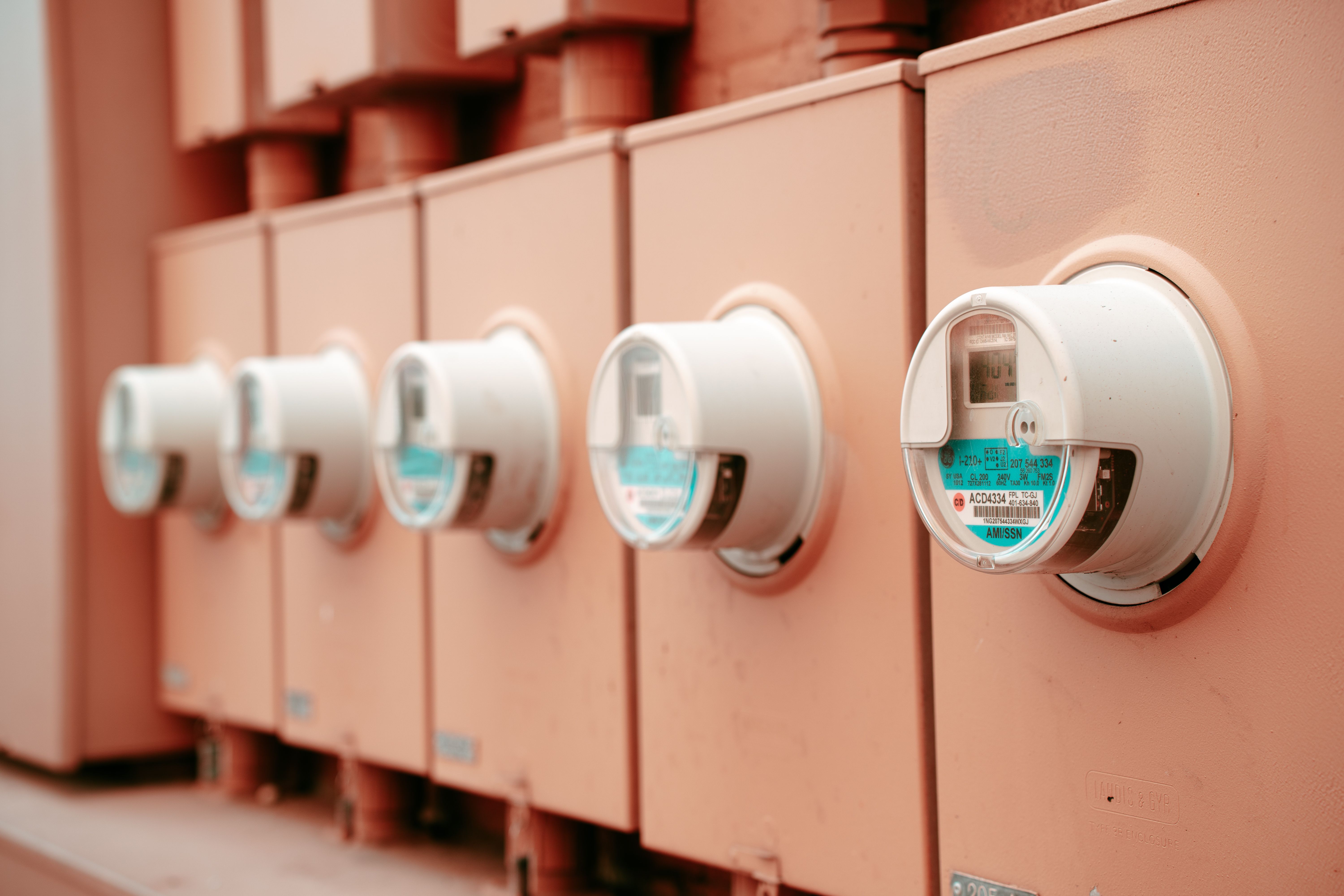
image of a smart meter


The 10 best green stocks for 2026, ranked by the Ziggma Stock Score, are First Solar (FSLR), Comfort Systems USA (FIX), Modine Manufacturing (MOD), Vertiv (VRT), Amalgamated Financial (AMAL), Albemarle (ALB), Ecolab (ECL), Bloom Energy (BE), Eaton (ETN) and Darling Ingredients (DAR).

Green investing reaches well past power generation. The companies here build commercial HVAC systems, thermal management hardware, data center cooling, lithium supply, water and hygiene chemistry, fuel cells, electrical distribution equipment and food waste conversion, and one of them is a bank.

Each name carries two numbers. The Ziggma Stock Score rates fundamental quality from 0 to 100. The Impact Score rates real-world impact from what the company does. Every stock here scores at least 60 on the Ziggma Stock Score.

Key takeaways

What is driving green companies in 2026

Electricity demand is the common thread. Data centers, chip fabrication and reshored manufacturing all add load to a grid that was not built for it, and that creates work for companies selling cooling, power distribution and efficiency rather than generation. Six of the ten names on this list sell into that demand: Comfort Systems USA, Modine, Vertiv, Eaton, Bloom Energy and First Solar. The second driver is efficiency regulation on buildings and industry, which is where Ecolab and Comfort Systems earn their revenue. The third is materials supply, where Albemarle and Darling Ingredients sit upstream of batteries and fuel.

The six categories on this list

The ten companies fall into six groups. Energy generation equipment covers First Solar and Bloom Energy. Building and industrial systems covers Comfort Systems USA and Modine. Electrical infrastructure covers Vertiv and Eaton. Industrial chemistry covers Ecolab. Materials supply covers Albemarle. Capital allocation covers Amalgamated Financial. Waste conversion covers Darling Ingredients. No single category dominates, which is the difference between a green stock list and a renewable energy stock list.

What counts as a green stock

A green stock is a share in a company whose core business reduces environmental harm. The test is what the company mainly sells, not how it runs its own buildings. That definition covers solar manufacturing, and it equally covers commercial HVAC installation, thermal management hardware, water and hygiene chemistry, lithium supply, deposit banking and rendering food waste into fuel. Renewable energy is one branch of green investing, not the whole of it. A software company that buys renewable power for its data centers has cut its own emissions and nothing else, because its product is unchanged. This is also where green investing and ESG ratings part company. An ESG rating measures how environmental and social factors threaten a company's financial results. Impact scoring measures the effect the company has on the world. A refiner with strong governance and good disclosure can earn a high ESG rating. It does not become a green stock.

How this list was built

The list starts from green business models and ends with a fundamental quality filter. Ziggma identified companies across the green economy whose core revenue depends on reducing environmental harm, then ranked them with the Ziggma Stock Score, which rates a company from 0 to 100 on Growth, Valuation, Profitability and Financial Health against sector peers across more than 40 financial KPIs. A score of 98 means First Solar's fundamentals rank near the top of its peer group. It says nothing about the company's environmental effect. The ten below are a curated selection rather than the output of a screen across the full US market.

Each company also carries an Impact Score, rated 0 to 100 by ACA Ethos on Climate Action, Resource Use, Fair Labor and Accountability. The five bands are Harmful 0 to 19, Negative 20 to 39, Mixed 40 to 59, Positive 60 to 79 and Profound 80 to 100. The Impact Score confirms a company's environmental record. It does not set the ranking, which runs on fundamentals alone. No stock appears here with a Ziggma Stock Score below 60, and ordering is descending Ziggma Stock Score throughout the page, including the comparison table.

See the Impact Score for any stock you own

Link a brokerage account and Ziggma scores every holding on climate action, resource use, fair labor and accountability.

Start free →

What are the best green companies to invest in?

"The best renewable energy stocks in 2026 include Nextpower (NXT), First Solar (FSLR), Vertiv (VRT), GE Vernova (GEV), Vistra Corp (VST), Bloom Energy (BE), NextEra Energy (NEE), Ormat Technologies (ORA), Eaton Corp (ETN), and Hannon Armstrong (HASI)."

Comparison overview

Company (Ticker) Ziggma Score Impact Score Key characteristics
First Solar FSLR
98 66Positive US thin-film solar module manufacturing
Comfort Systems USA FIX
95 62Positive Mechanical and electrical contracting for industrial buildings
Modine Manufacturing MOD
91 52Mixed Data center cooling and commercial HVAC, plus vehicle thermal
Vertiv VRT
83 61Positive Power and cooling infrastructure for data centers
Amalgamated Financial AMAL
82 76Positive Commercial bank lending into climate solutions
Albemarle ALB
80 61Positive Lithium supply for batteries and grid storage
Ecolab ECL
75 91Profound Water treatment and hygiene systems for industry
Bloom Energy BE
69 66Positive Solid oxide fuel cells and electrolyzers
Eaton ETN
64 58Mixed Electrical power distribution and management
Darling Ingredients DAR
61 66Positive Food waste and rendered fats into renewable fuel

Ziggma Stock Score (0-100): growth, valuation, profitability and financial health. Impact Score (0-100): climate action, resource use, fair labor and accountability, rated by ACA Ethos. Bands: Mixed 40-59, Positive 60-79, Profound 80-100.

The 10 best green companies to invest in

First Solar (NASDAQ: FSLR): US thin-film solar module manufacturer

First Solar makes solar modules from cadmium telluride thin film rather than crystalline silicon, and manufactures them in the United States. The green case is the product itself. Every module installed displaces electricity the grid would otherwise generate partly from gas and coal. The thin-film route also keeps First Solar outside the polysilicon supply chain the rest of the industry depends on.

First Solar also appears on our list of the best climate tech stocks for 2026

Comfort Systems USA (NYSE: FIX): mechanical and electrical contractor for industrial buildings

Comfort Systems USA installs and services the mechanical and electrical systems inside commercial and industrial buildings: HVAC, piping, plumbing, controls and electrical. About three quarters of its revenue comes from industrial work, including data centers, chip fabrication and food processing. Buildings account for roughly 30% of global final energy consumption and more than half of global electricity consumption, according to the International Energy Agency. The equipment Comfort Systems installs sets how much of that a building draws for the next twenty years.
With a Ziggma Score of 95 and an Impact Score of 62, Comfort Systems sits in the Positive impact band.

Our list of the best climate stocks for 2026 covers companies outside power generation

Modine Manufacturing (NYSE: MOD): thermal management for data centers and buildings

Modine makes thermal management equipment across two businesses. Climate Solutions, 65% of fiscal 2026 net sales, builds data center cooling equipment including chillers, dry coolers and rear-door heat exchangers, plus commercial HVAC and heat pumps. Performance Technologies makes radiators and engine cooling modules for vehicles and stationary power. Modine agreed in January 2026 to spin Performance Technologies off and combine it with Gentherm, a transaction it expects to close by the end of 2026.
With a Ziggma Score of 91 and an Impact Score of 52, Modine sits in the Mixed impact band. That score covers the company as it trades today, both businesses included.

How Ziggma's impact data works

Vertiv (NYSE: VRT): power and cooling infrastructure for data centers

Vertiv builds the equipment data centers run on: uninterruptible power supplies, power distribution, thermal management and liquid cooling for high-density racks. The green case is efficiency rather than generation. Data centers draw a large and rising share of electricity, and cooling accounts for much of it. Liquid cooling moves heat away from dense chips using less energy than cooling the same load with air.

With a Ziggma Score of 83 and an Impact Score of 61, Vertiv sits in the Positive impact band.

Vertiv also appears on our list of the best renewable energy stocks for 2026

Amalgamated Financial (NASDAQ: AMAL): commercial bank lending into climate solutions

Amalgamated Financial is the holding company for Amalgamated Bank, a New York commercial bank. A bank's product is where its deposits go, and that is what puts Amalgamated on a green list. The bank has a policy against lending to fossil fuel extraction, exploration and production, and directs commercial lending into climate solutions including community solar and C-PACE financing for building efficiency work. It has committed to net-zero financed emissions by 2045.
With a Ziggma Score of 82 and an Impact Score of 76, Amalgamated sits in the Positive impact band.

See our list of the best solar stocks for 2026

Albemarle (NYSE: ALB): lithium producer supplying battery manufacturers

Albemarle produces lithium, the input to the batteries in electric vehicles and grid storage. It also runs a bromine business serving flame retardants and other specialty chemicals. The green case sits upstream: no battery build-out happens without lithium supply, and Albemarle operates lithium resources in the United States, Chile and Australia. Lithium extraction carries real local costs in water use and land disturbance, which is the trade-off this position involves.
With a Ziggma Score of 80 and an Impact Score of 61, Albemarle sits in the Positive impact band.

Ziggma's portfolio Climate Score shows what the companies you own imply for warming

Ecolab (NYSE: ECL): water treatment and hygiene systems for industry

Ecolab sells water treatment, cleaning and hygiene systems to food processors, hospitals, hotels, manufacturers and data centers. The green case is what those systems do at the customer's site. Ecolab's water treatment business cuts how much water and energy a facility needs to run the same operation. Cooling towers are a large industrial water draw, and treatment chemistry determines how many times that water cycles through before it is discharged.
With a Ziggma Score of 75 and an Impact Score of 91, Ecolab sits in the Profound impact band.

Filter the full US universe by Impact Score in Ziggma's stock screener

Bloom Energy (NYSE: BE): solid oxide fuel cells for on-site power

Bloom Energy makes solid oxide fuel cells that generate electricity on site, and electrolyzers that produce hydrogen. The fuel cells convert fuel electrochemically rather than burning it, which avoids the combustion by-products a turbine or generator produces. Most installed Bloom Energy Servers run on natural gas today, so the current emissions benefit comes from higher conversion efficiency rather than a zero-carbon fuel. The same hardware can run on hydrogen or biogas.
With a Ziggma Score of 69 and an Impact Score of 66, Bloom Energy sits in the Positive impact band.

Bloom Energy also appears on our list of the best climate tech stocks for 2026

Eaton (NYSE: ETN): electrical power distribution and management equipment

Eaton makes the equipment that moves and controls electrical power: switchgear, circuit protection, power distribution and power quality systems for utilities, buildings, data centers and industrial sites. The green case is electrification. Shifting heating, transport and industrial processes off fuel and onto electricity needs far more electrical infrastructure than the grid currently carries, and Eaton builds that layer. Eaton also runs aerospace and vehicle businesses outside that story.

With a Ziggma Score of 64 and an Impact Score of 58, Eaton sits in the Mixed impact band.

Eaton also appears on our list of the best renewable energy stocks for 2026

Darling Ingredients (NYSE: DAR): converts food waste and rendered fats into fuel

Darling Ingredients collects animal by-products and used cooking oil that would otherwise be waste and converts them into fats, proteins and fuel. Its Diamond Green Diesel joint venture with Valero turns those recovered fats into renewable diesel and sustainable aviation fuel. The green case is the feedstock. The fuel comes from material the food system already produces, not from crops grown for the purpose or from crude oil.
With a Ziggma Score of 61 and an Impact Score of 66, Darling Ingredients sits in the Positive impact band.

See our list of the best fossil-free stocks for 2026

Key insight

Fundamental quality and environmental impact are separate measurements.
The highest Ziggma Stock Score and the highest Impact Score on this list belong to different companies, and that is normal rather than a defect. The two numbers come from separate data, by separate methods, answering separate questions. A list that ranked on a blended score would hide which of the two was doing the work.
See also Ziggma's 10 best climate stocks

How to find green stocks beyond this list

Ziggma's stock screener filters the full US universe on Ziggma Stock Score and Impact Score together, which is the same pair of filters used to build this list.
Set the Ziggma Stock Score floor at 60, set the Impact Score floor at 60, then filter by industry to reach the part of the green economy you want.

Find green stocks beyond this list

Ziggma’s stock screener filters the full US universe on Ziggma Stock Score and Impact Score together, the same pair used to build this list.

Open the screener →

Applying this to a portfolio you already own

A list is a starting point, not an allocation. Link a brokerage account and Ziggma's Impact X-Ray scores every holding you already own on the same Impact Score scale used here, including the holdings inside your ETFs. That tells you whether adding a green stock changes your portfolio's profile or duplicates exposure you already have. Use it to:

Risks to consider

Three risks are worth naming before you act on this list.

Federal tax credit policy

The One Big Beautiful Bill Act, signed 4 July 2025, ended the Section 45Y production credit and Section 48E investment credit for wind and solar projects placed in service after 31 December 2027, with an exception for projects that began construction on or before 4 July 2026. That construction deadline has passed, so new wind and solar projects now face the end-2027 in-service cutoff. Energy storage is exempt. The qualification method is still contested: a federal court vacated IRS Notice 2025-42 on 6 June 2026 in Oregon Environmental Council v. IRS, restoring the 5% safe harbor, and the IRS may issue new guidance on remand. This affects First Solar directly and Bloom Energy indirectly.

Data center demand concentration

Comfort Systems USA, Vertiv, Modine and Eaton all sell into the same data center buildout. Four of the ten names on this list are exposed to one capital expenditure cycle driven by a small number of hyperscale buyers. A slowdown in that spending would hit them together, which is the opposite of the diversification a six-category list appears to offer.

Commodity and input prices

Albemarle's revenue depends on lithium prices, which have run through severe cycles as supply and battery demand move out of step. Darling Ingredients depends on feedstock costs for waste fats and on renewable fuel spreads. Neither company controls its own pricing, and a strong Ziggma Stock Score reflects past fundamentals rather than a forecast of the next cycle.

Those risks are why the list filters on business quality first. A company with strong fundamentals absorbs a policy change or a price cycle better than one riding a theme.

The bottom line

Green investing covers more ground than the sector labels suggest. The ten companies here rank on fundamental quality first, with Ziggma Stock Scores from 61 to 98, and every one of them earns its place through what it sells rather than through an ESG rating. Eight sit in the Positive or Profound impact bands. Two sit in Mixed, and the page says so rather than working around it.
The concentration risk is real: four of the ten depend on the same data center spending cycle. Anyone building from this list should check what they already own before adding to it.
Looking beyond a single sector?→ Explore the best sustainable stocks across all industries

Score your portfolio on quality and impact

Ziggma rates every holding you own, including the holdings inside your ETFs, so you can see whether adding a green stock changes your profile or duplicates it.

Get started free →

FAQ

What are the best green companies to invest in?

By Ziggma Stock Score, the ten highest-ranked US-listed green companies for 2026 are First Solar, Comfort Systems USA, Modine Manufacturing, Vertiv, Amalgamated Financial, Albemarle, Ecolab, Bloom Energy, Eaton and Darling Ingredients. Each scores at least 60 on fundamental quality.

What is a green stock?

A green stock is a share in a company whose core business reduces environmental harm. The test is what the company mainly sells, not how it runs its own buildings. A software company buying renewable power for its data centers has cut its own emissions and nothing else. A company selling efficient HVAC systems cuts energy use in buildings owned by other people. Read more on impact investing.

Are green stocks the same as renewable energy stocks?

No. Renewable energy is one branch of green investing, not the whole of it. Green stocks include building systems, water and hygiene chemistry, materials supply, banking and waste conversion alongside power generation. Four names on this list generate no electricity at all. For the power generation side specifically, see our list of the best renewable energy stocks.

Can a bank be a green stock?

Yes. A bank’s product is where its deposits go. Amalgamated Financial excludes fossil fuel extraction, exploration and production from its lending and directs commercial lending into climate solutions including community solar and C-PACE financing for building efficiency work. That is a green business model even though the bank generates no power itself.

Why is a company with a Mixed impact rating on a green list?

Qualification and rating are separate steps. A company earns a place on this list through its core business, and the Impact Score then rates the whole company across Climate Action, Resource Use, Fair Labor and Accountability. Modine Manufacturing scores 52 and Eaton scores 58, both in the Mixed band. The page states those numbers rather than working around them.

Do green stocks underperform the market?

The evidence points the other way. A Schroders and Oxford Saïd Business School study found that 8 of 10 randomly built 40-stock impact portfolios beat the MSCI ACWI IMI from 2010 to 2023, some by more than 9% annualized, with lower volatility and smaller drawdowns. The Clean200, compiled by Corporate Knights, returned 191% against 162% for the MSCI World over eight and a half years. Morgan Stanley found sustainable funds returned a median 12.5% in the first half of 2025 against 9.2% for traditional funds. One caveat worth stating: 2024 was a poor year for sustainable funds as rising rates hit long-duration growth names, and some peer-reviewed work finds the alpha narrows once returns are adjusted for market beta. Read the full evidence in our review of impact investing and market outperformance.

What is the minimum score to appear on this list?

A Ziggma Stock Score of 60. Companies with genuine green business models were cut at that line rather than given a pass. The scores on this list run from 61 for Darling Ingredients to 98 for First Solar. Read how the Ziggma Stock Score is built.

How is the Impact Score calculated?

ACA Ethos rates each company from 0 to 100 across four pillars: Climate Action, Resource Use, Fair Labor and Accountability. The bands are Harmful 0 to 19, Negative 20 to 39, Mixed 40 to 59, Positive 60 to 79 and Profound 80 to 100. The Impact Score measures impact from the company, which is a different question from how environmental risk affects the company.

Are green ETFs an alternative to individual green stocks?

They are, with one caveat: a fund label is not a reliable guide to what the fund holds. Funds marketed as clean or sustainable still hold fossil fuel producers and companies with weak labor records. The test is the holdings, not the name. Ziggma scores the holdings inside an ETF rather than the label on it. See our guide to spotting greenwashing in your portfolio.

How should investors build green exposure?

Check what you already own before adding anything. Four of the ten names here sell into the same data center spending cycle, so buying several of them together concentrates rather than diversifies. Ziggma’s Portfolio Optimizer simulates a trade across quality, risk, diversification and impact before you place it.